Learning English in Singapore: English is Enough
But Mandarin Helps
Learning English in Singapore: English is Enough
But Mandarin Helps
English is the working language
Singapore is unique in Asia: English is the medium of instruction at every university and the common language of daily life. You don't need to learn a new alphabet or pass a separate language track to study here. For students from the Americas, that's the single biggest reason Singapore feels frictionless from day one.
The four official languages
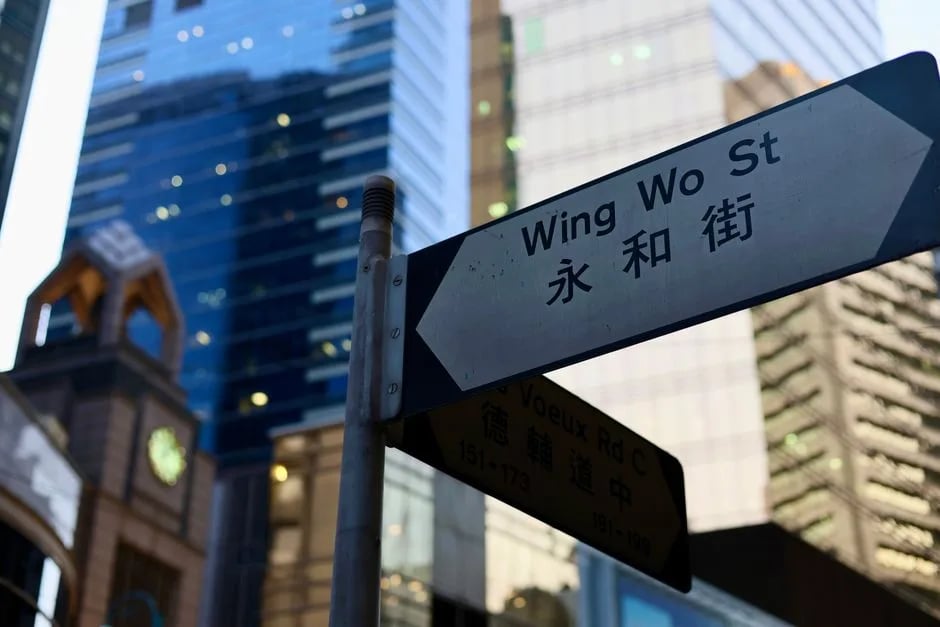
Singapore recognises four official languages: English, Mandarin, Malay, and Tamil. Street signs, announcements, and government communications appear in all of them. In practice, everyone speaks English, and most locals speak one or two more.
What is Singlish?
Day-to-day spoken English in Singapore has its own flavour — Singlish — which borrows words from Hokkien, Malay, and Tamil and adds a distinctive rhythm and particles like lah and leh. You'll hear it in hawker centres and on the MRT. Academically and in formal settings, standard English is used, so your classes, readings, and essays are all perfectly standard. Treat Singlish as local colour — you'll pick it up fast, and locals are delighted when you try a word or two.
Does Mandarin help?
Not required — but useful. Around 3 in 4 Singaporeans are ethnically Chinese, and Mandarin is widely spoken. Learning a little helps you order at older hawker stalls, connect with classmates, and travel comfortably to Malaysia, Taiwan, and mainland China during breaks. If you already speak some Spanish, think of Mandarin as an optional bonus skill, not a hurdle.
Improving your English while you're there
- Join campus language-exchange programs — students are eager to practice and befriend internationals.
- Read the local English press (The Straits Times).
- Attend public talks and workshops at NUS and NTU — most are free and in English.
- Use the hawker centre as your classroom: ordering, chatting, and negotiating the best stall in English every day.